What a speed test does and does not prove
· 4 min read · EasyTechdesk
A test beside the router grades the plan. A test in the bedroom grades the Wi-Fi.
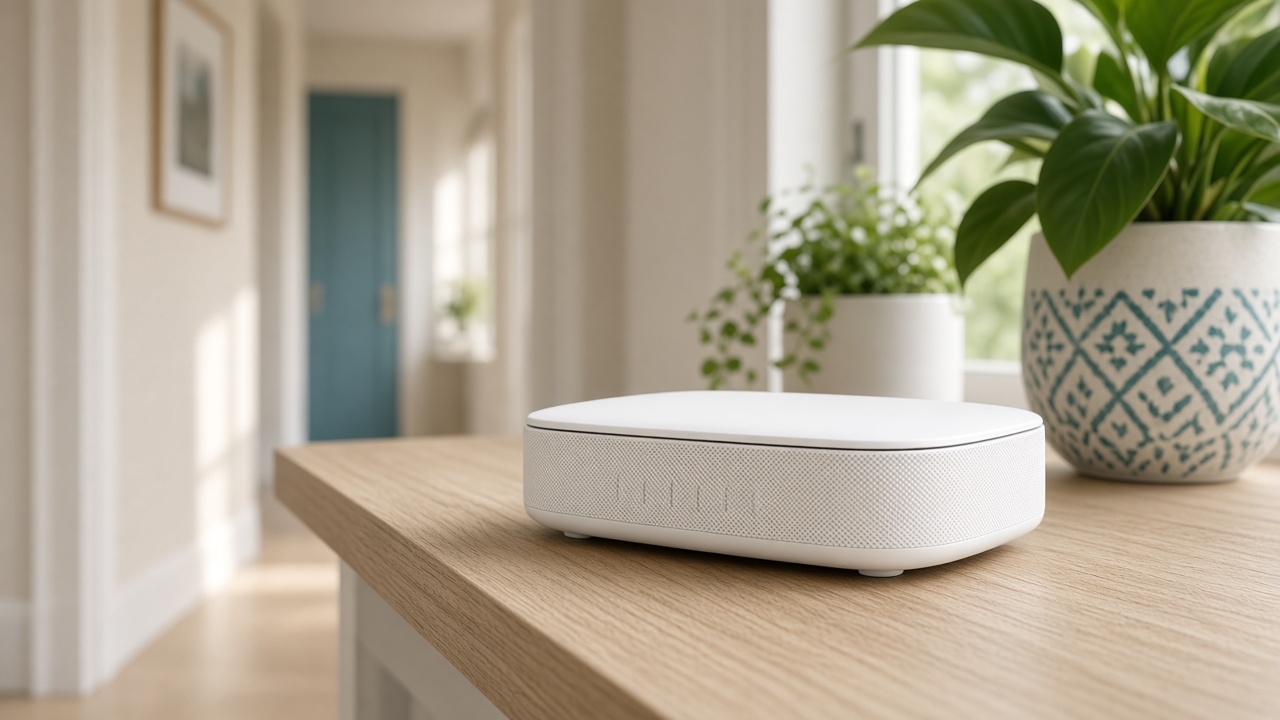
Two locations
Stand next to the router. If that number is far below the plan you pay for, on a wired laptop, the Wi-Fi in the bedroom is not the first suspect. The modem, the plan, or the provider's node is.
Then stand in the room that drops calls. A big gap between the two spots is coverage. A mesh node or a move of the router is the conversation. A new plan is not.
What it ignores
A speed test is a short download. Video calls fail from latency and drops, which a big download number can hide. Note the time of day. Evening congestion is real on some blocks and will not show at 10 a.m.
Testing over a VPN or a full browser with twenty tabs makes the number about the laptop. Close those, or test from the provider's gateway with Wi-Fi off on the laptop and a cable on.

Bring the numbers
Write both results in the booking note. Internet troubleshooting starts from them instead of from a reset ritual.
We still check lights and cables. A test does not see a half-latched coax connector.
Keep reading
- Why one room never gets Wi-Fi
The router is usually in a closet. The fix is placement, then a node.
- Guest Wi-Fi, visitors, and the doorbell
Visitors go on guest. The doorbell stays where it can see the router.
- When a mesh node should use a cable
A wire between the router and the node frees the air for phones and the TV.