Studs, anchors, and the TV's real weight
· 4 min read · EasyTechdesk
The number on the mount has to be higher than the number on the TV label.
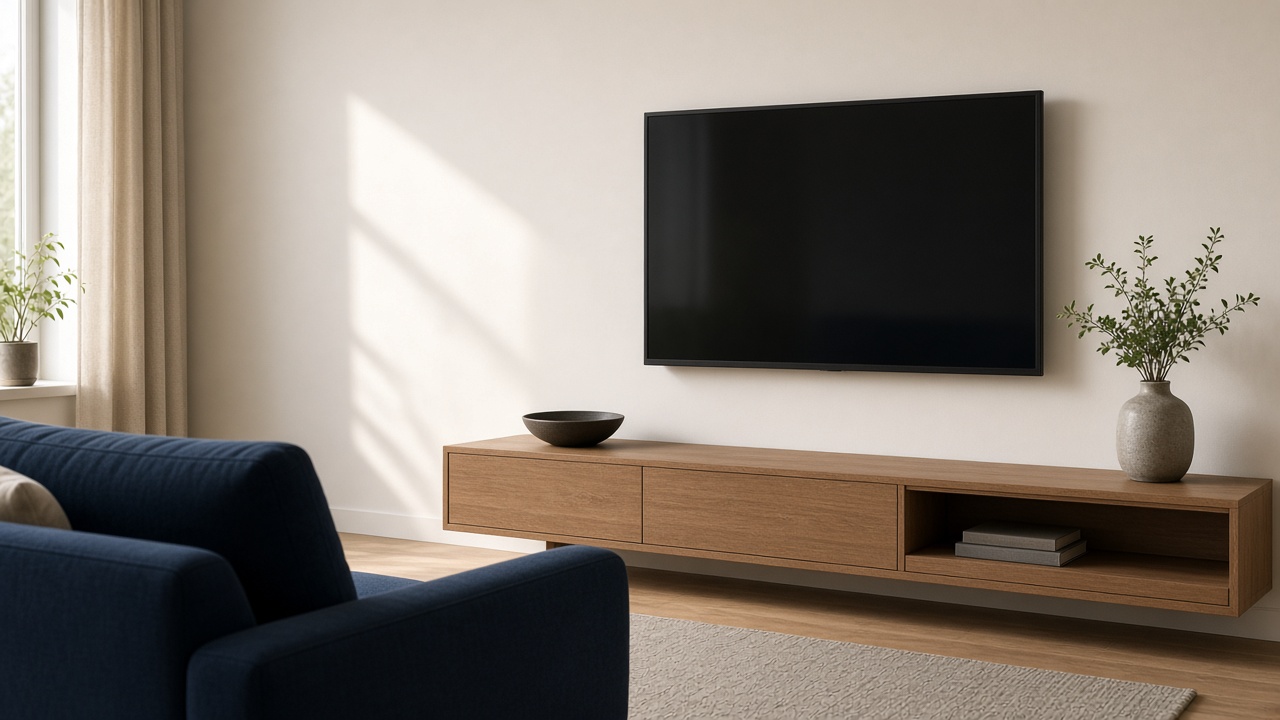
The label
The TV's weight without the stand is the number that matters. A mount rated for 50 pounds does not become safer because the set looks thin. If you own our tilt mount for 32 to 70 inches, it still has to cover the weight, not only the diagonal.
Full-motion arms add leverage. A heavy set on a long arm needs a rating that includes that, and studs that are actually where the holes land.
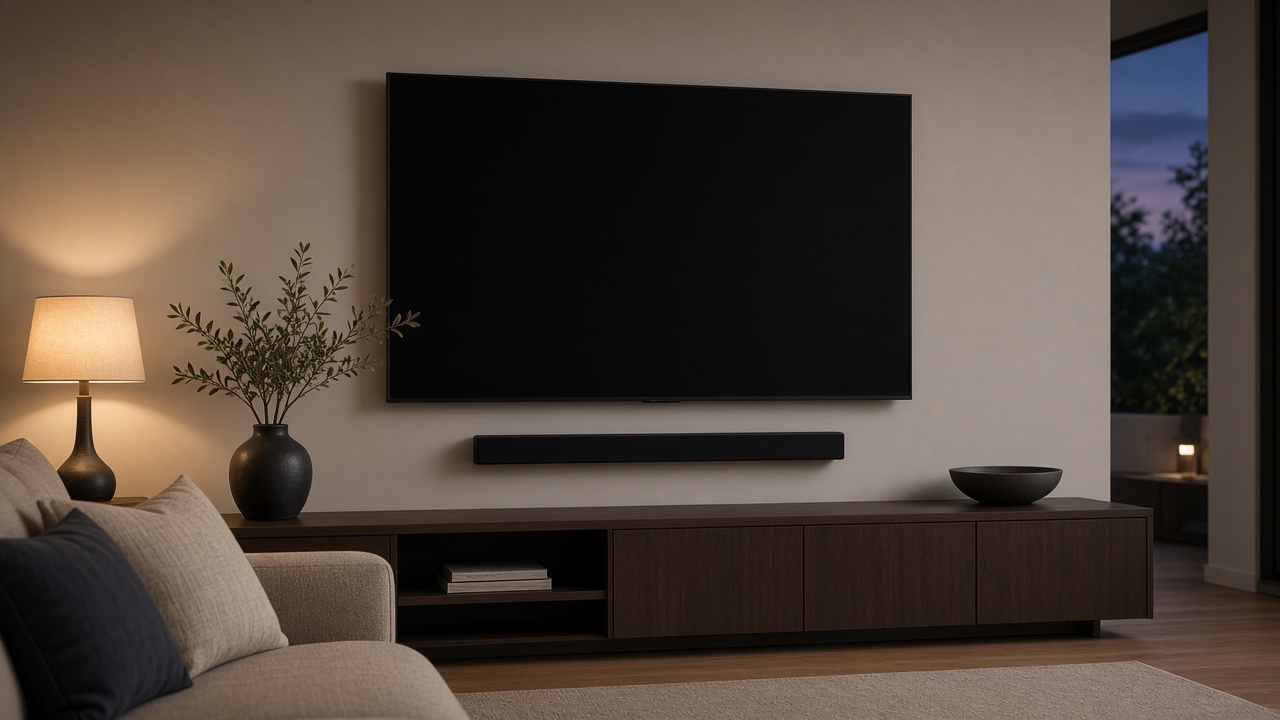
The wall
We find studs in drywall. Plaster, brick, and block are different fasteners. If you do not know the wall, say what it looks like. A hollow sound does not always mean studs are absent. It means we check before the lag bolts go in.
Tile over unknown backing is a stop-and-talk wall. We would rather reschedule with the right anchors than crack a backsplash.

Hardware you bring
If you already bought a mount, leave it in the box until we confirm the rating. Shop mounts are there if you want the hardware chosen for the size you booked.
Dismount and remount is its own service when a TV moves rooms. We bag the hardware. We do not leave a bare lag bolt as a surprise for the next picture frame.
Keep reading
- Where to hang a TV so the room still works
Eye line, glare, and the stud that is actually in the wall.
- A streaming box or the apps built into the TV
The TV's own apps are fine until they are slow. A box is a five-year escape hatch.
- Fireplace mounts and why tilt is not a cure
Heat, height, and a mantel that blocks the soundbar are three separate problems.