Full-motion or tilt: which mount the room needs
· 4 min read · EasyTechdesk
Tilt is for a slightly high screen. A moving arm is for a corner or a door swing.
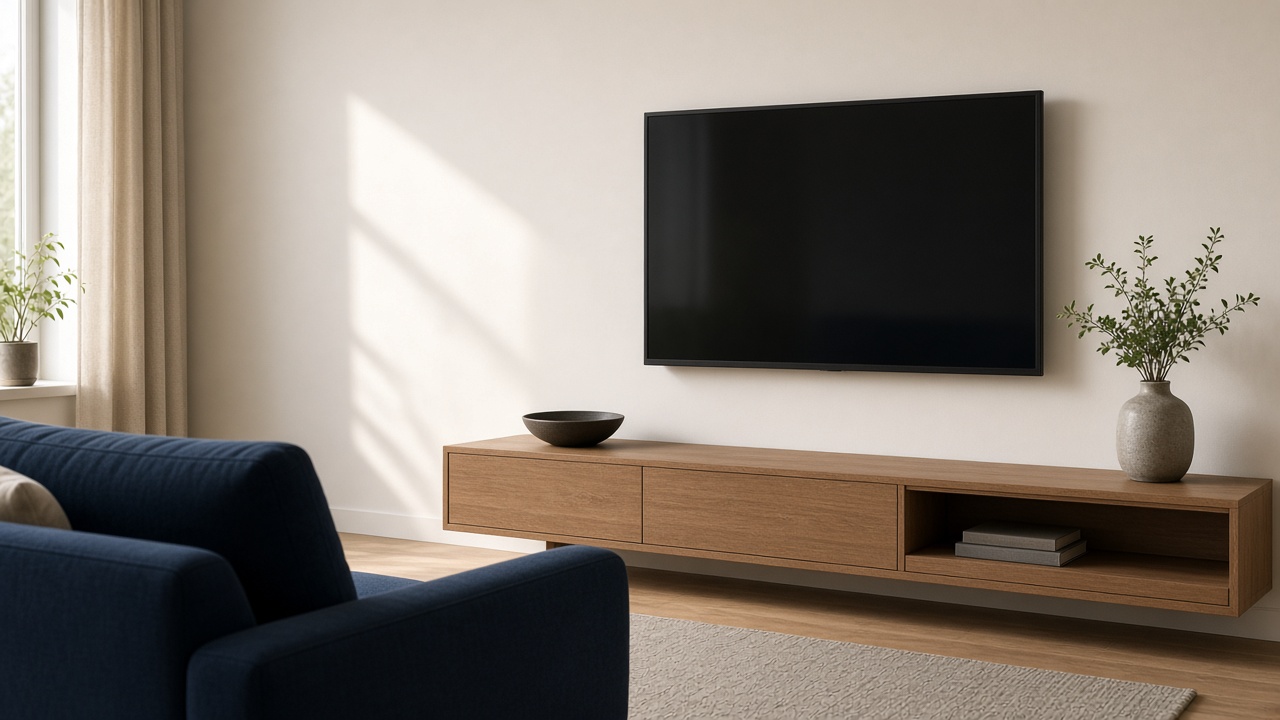
Tilt
A tilt mount pulls the bottom of the TV forward a little. Use it when the screen is a bit above eye level and the seats face it straight on. Our 32 to 70 inch tilt mount is the usual living-room piece when the wall is flat and the TV is not in a corner.
Tilt hardware sits closer to the wall, which matters in a hallway or behind a door.
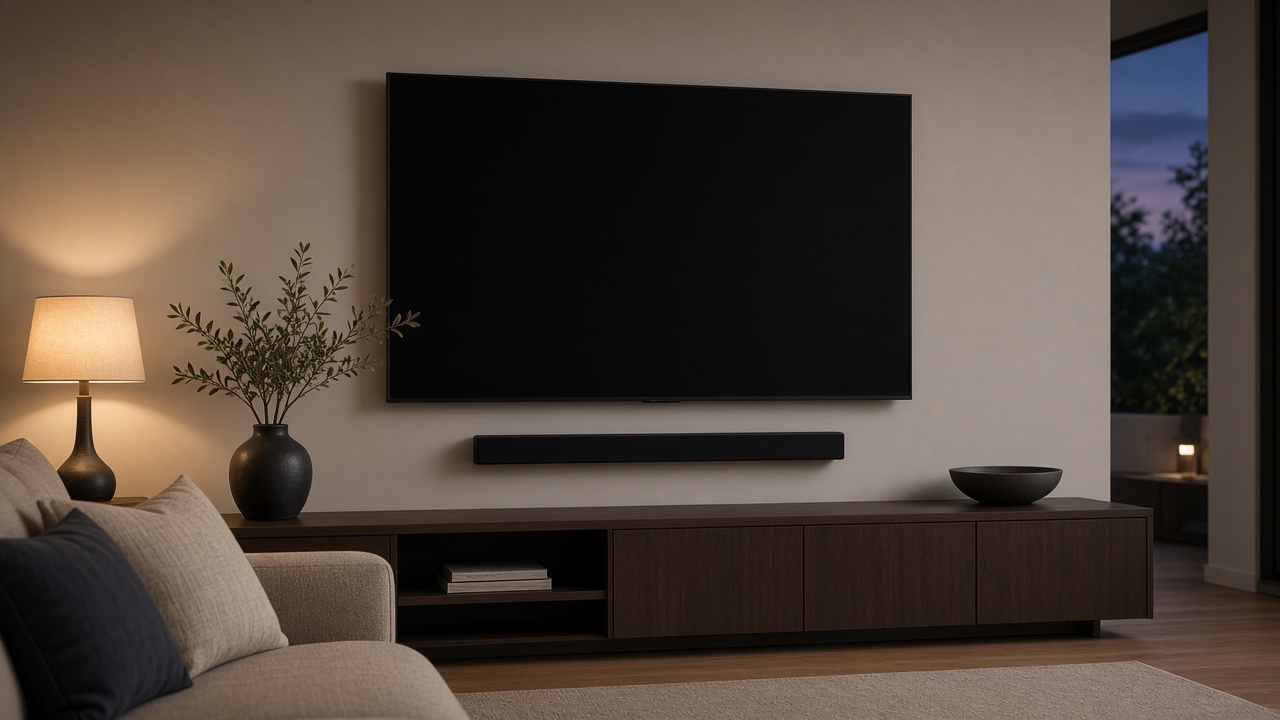
Full motion
An arm lets you pull the TV off the wall, turn it toward a kitchen seat, or flatten it when you are done. It needs more clearance beside the set and a rating that covers the weight at full extension. The shop's 43 to 90 inch arm is that product. It is the wrong product for a TV lighter than the mount is graceful to hold, or for a wall that cannot take the plate.
Corners are the classic reason. A TV flattened to a corner wall is watched from the side. An arm corrects the angle.

Decide before the holes
Tell us which mount you own, or that you want one from the shop, when you book. The plate's hole pattern decides the studs we use.
We level it and we test the picture. A mount that cannot be pushed back flush because a cable is trapped is not finished.
Keep reading
- Where to hang a TV so the room still works
Eye line, glare, and the stud that is actually in the wall.
- A streaming box or the apps built into the TV
The TV's own apps are fine until they are slow. A box is a five-year escape hatch.
- Fireplace mounts and why tilt is not a cure
Heat, height, and a mantel that blocks the soundbar are three separate problems.